

Harvard MedTech had a strong concept: a meditative experience that could walk even complete novices into a calmer state, and eventually sit alongside medicine in a treatment plan. Our job was to turn it into a full experience, deployable to a headset in a patient’s home.
Harvard MedTech · VR for healthcare
Immersive Meditation Universe
A home-based VR therapy experience for people living with chronic pain and stress, designed to work on the very first try.
Lead Immersive Experience Designer · CXR Agency (Kinemeric)
Ideation to tested build · 2022
ROLE
Lead Immersive Experience Designer
CLIENT
Harvard MedTech
PLATFORM
VR headset · Unity
TEAM
CD, 5 3D artists, 4–5 devs, PM, QA, UI/UX
The brief
A scalable, home-based VR program for chronic pain and stress
MY ROLE
I led the experience design end to end, and kept the 3D, development, product and QA teams building the same vision.
The challenge
Designing for someone who has never worn a headset

01
Accessibility first
Likely new to VR and possibly physically limited. A shallow learning curve, and it had to work seated.

02
An interface you barely notice
Controls had to be simple yet move people between worlds, with controllers minimal or gone.

03
A concept still taking shape
The client refined details mid-build, so every stage had to stay flexible enough to change scope.
The design question
How might we guide a first-time user into deep calm, with nothing to learn?
How I worked
One vision, carried across every team
I was the connecting point between the Creative Director and six groups building the experience.

Creative Director
Built the vision together. I brought the ideation and design documents for his approval.

3D artists · 5
Presented what we were building, supplied every reference, and synced on asset quality.

Developers · 4–5
Handed over storyboards, tested each build, fed back fixes, and tuned spatial sound together.

Product manager
Shared regular updates, and together we found the voice artist for the meditation guide.

QA
Shared issues and fixes so each build moved forward cleanly.

UI/UX team
Shaped the UX together. I designed the iconography, 3D icons and 3D UI myself in Vectary.
My contribution
From first idea to tested build
STAGE 1
Vision & scope
Ideation, mood boards, spatial design, client calls
STAGE 2
Storyboards & docs
Detailed storyboards and design documents for the team
STAGE 3
UX & 3D UI
3D UI prototypes and icons for three worlds
STAGE 4
Worlds & breath
Asset quality with the 3D team; the breathing particle system
STAGE 5
Sound & testing
Spatial sound with developers; testing at every stage


25%
increase in therapy module adoption
3 home worlds
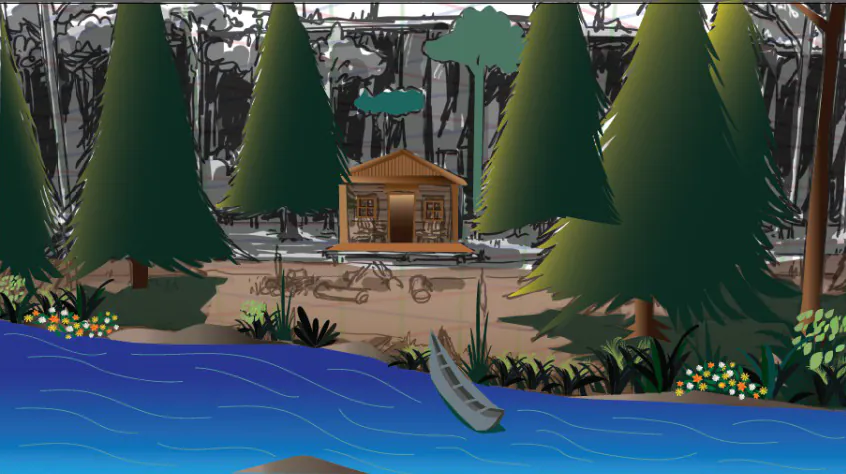
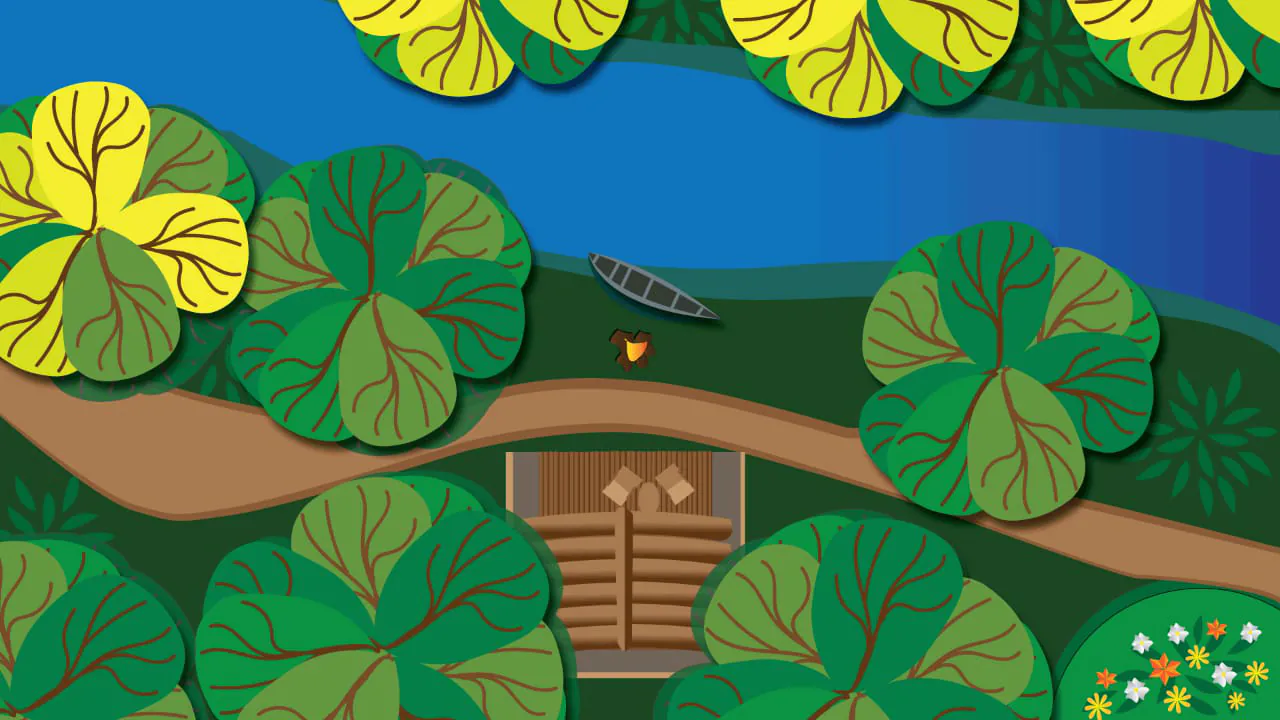
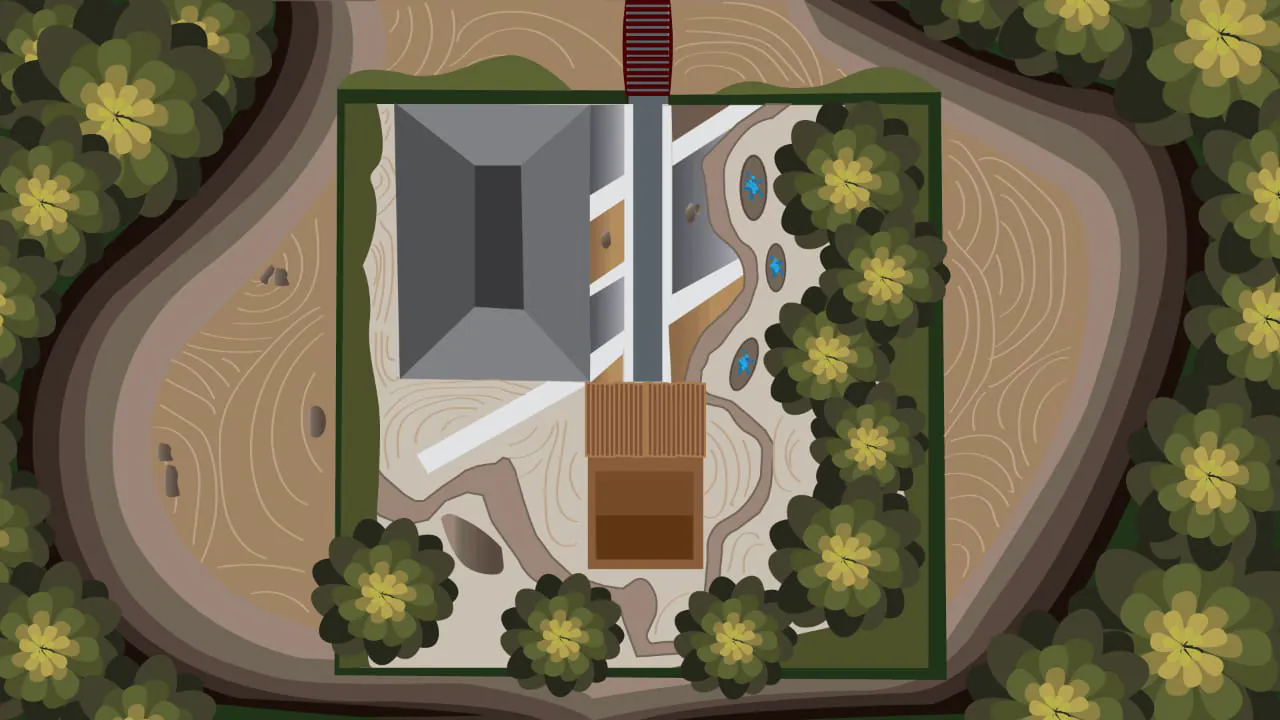
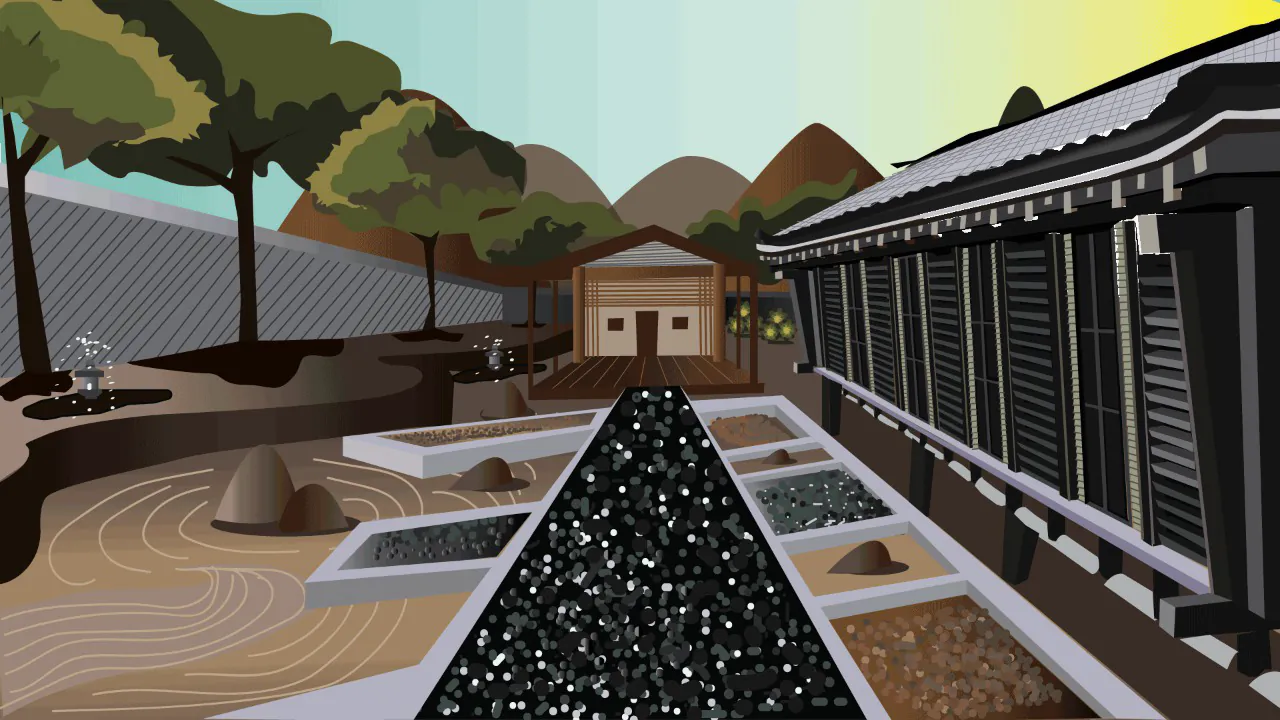
Log Cabin, Crystal Bay Beach and Zen Garden
0 controllers
to learn: gaze and breath do the work
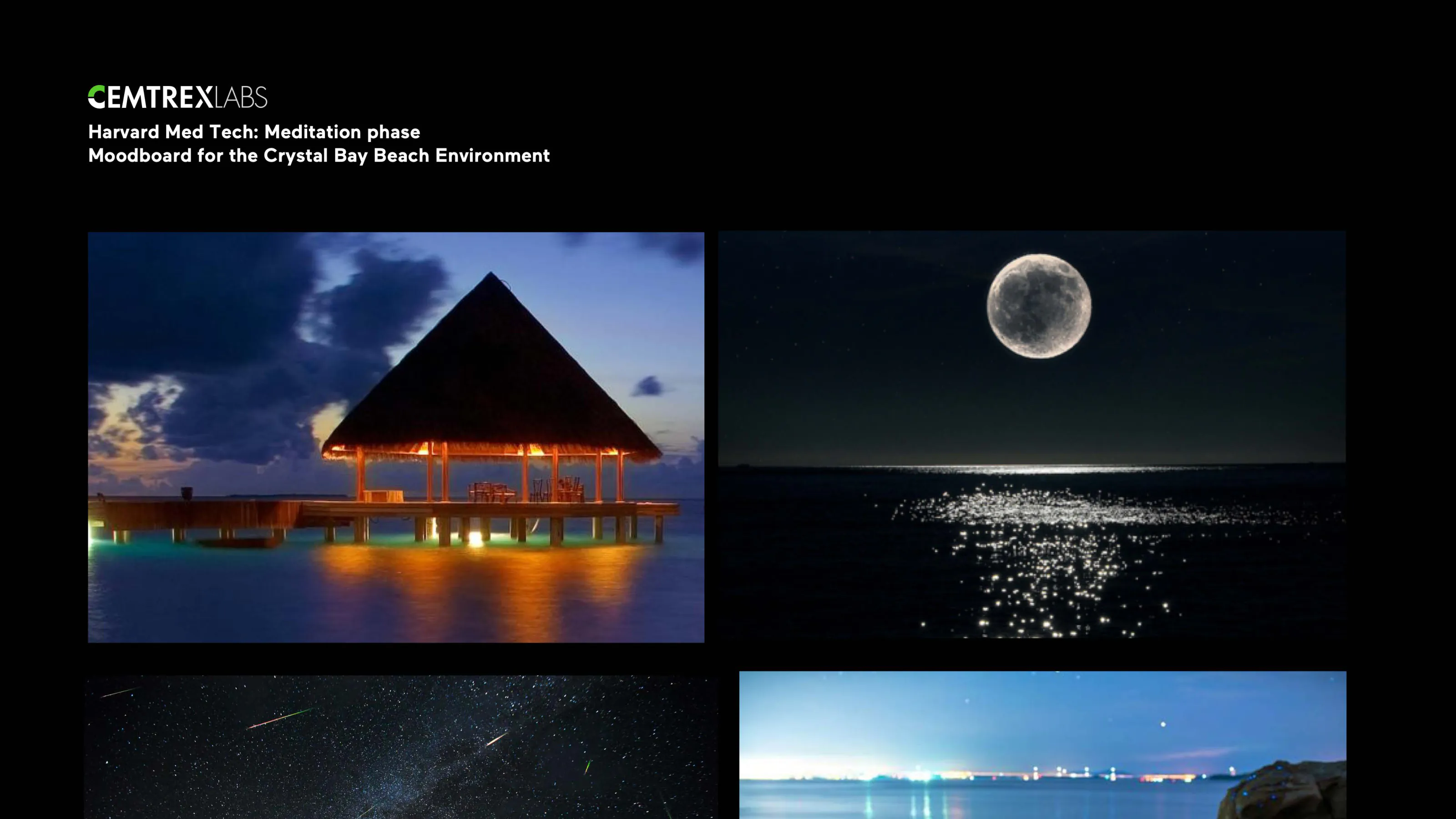
Research & documentation
From mood board to design document
Storyboards
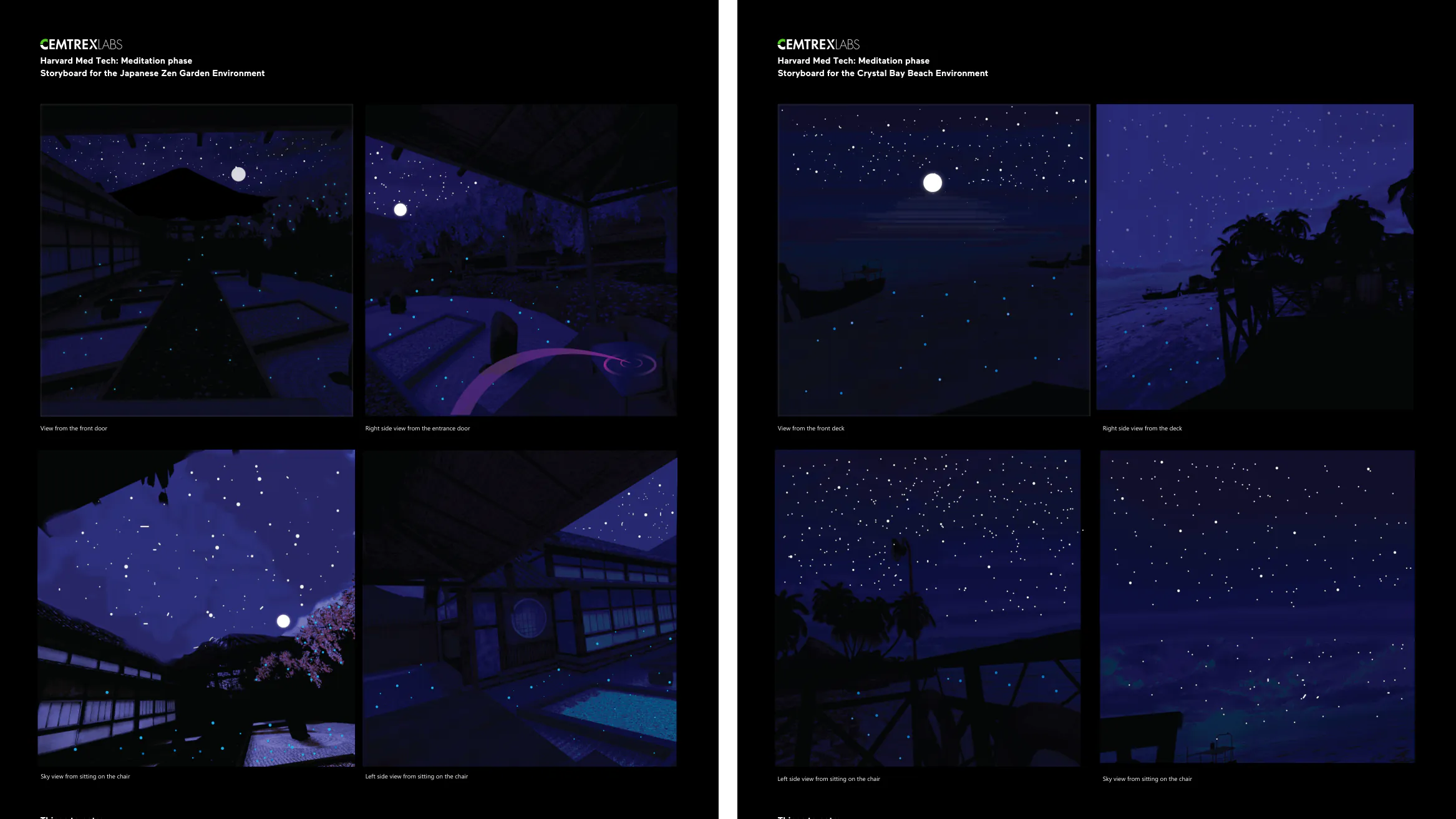
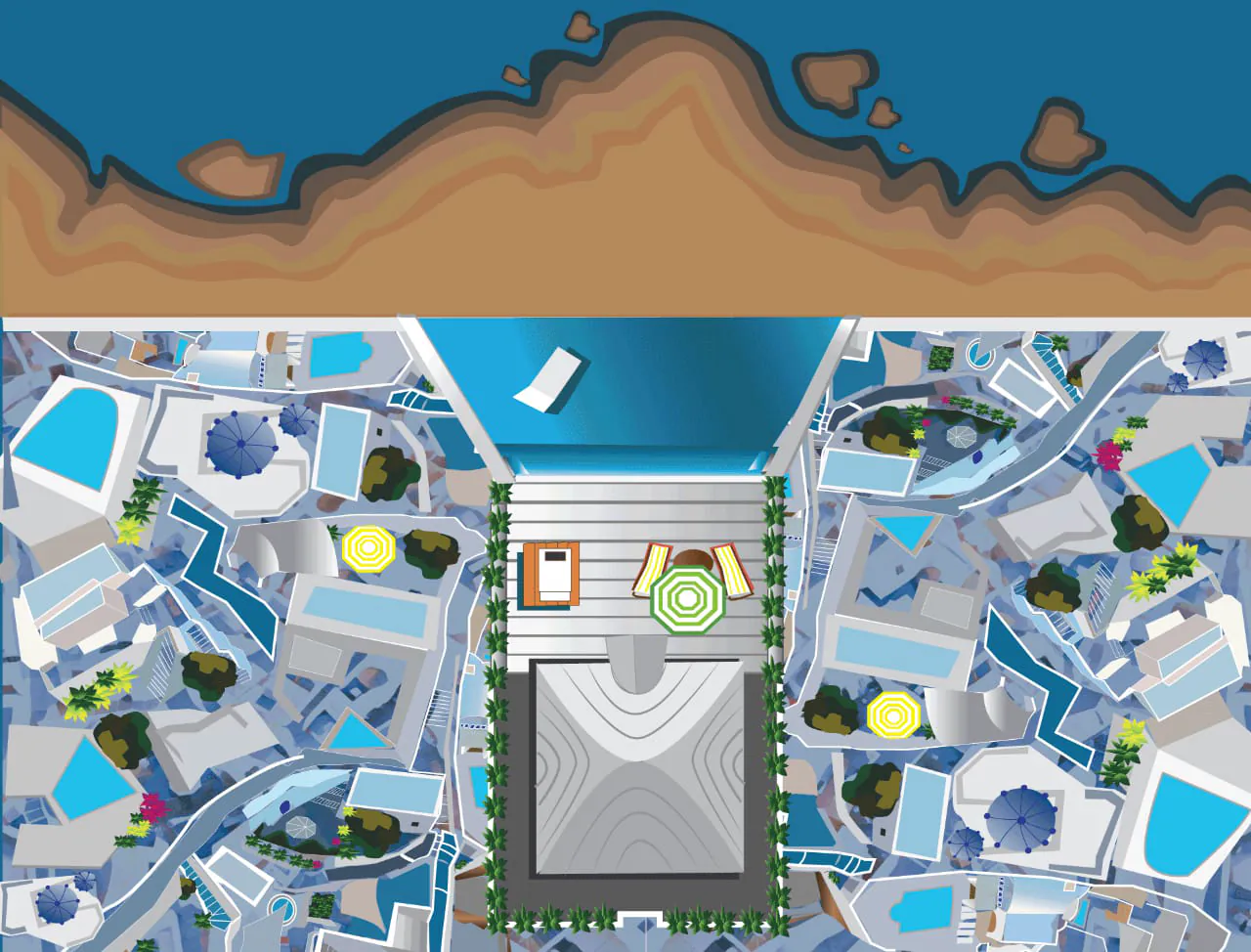
Storyboarded before it was built
Plan views and perspectives for every world, handed to developers as the build reference.

The solution
Three design moves that remove the learning curve

Gaze control
You steer by looking at an area of the scene. No controllers to learn, and almost no physical movement.

Breath-synced visuals
Particles move through inhale, hold and exhale with a guided box-breathing meditation, so first-timers see how to breathe.

A world to call home
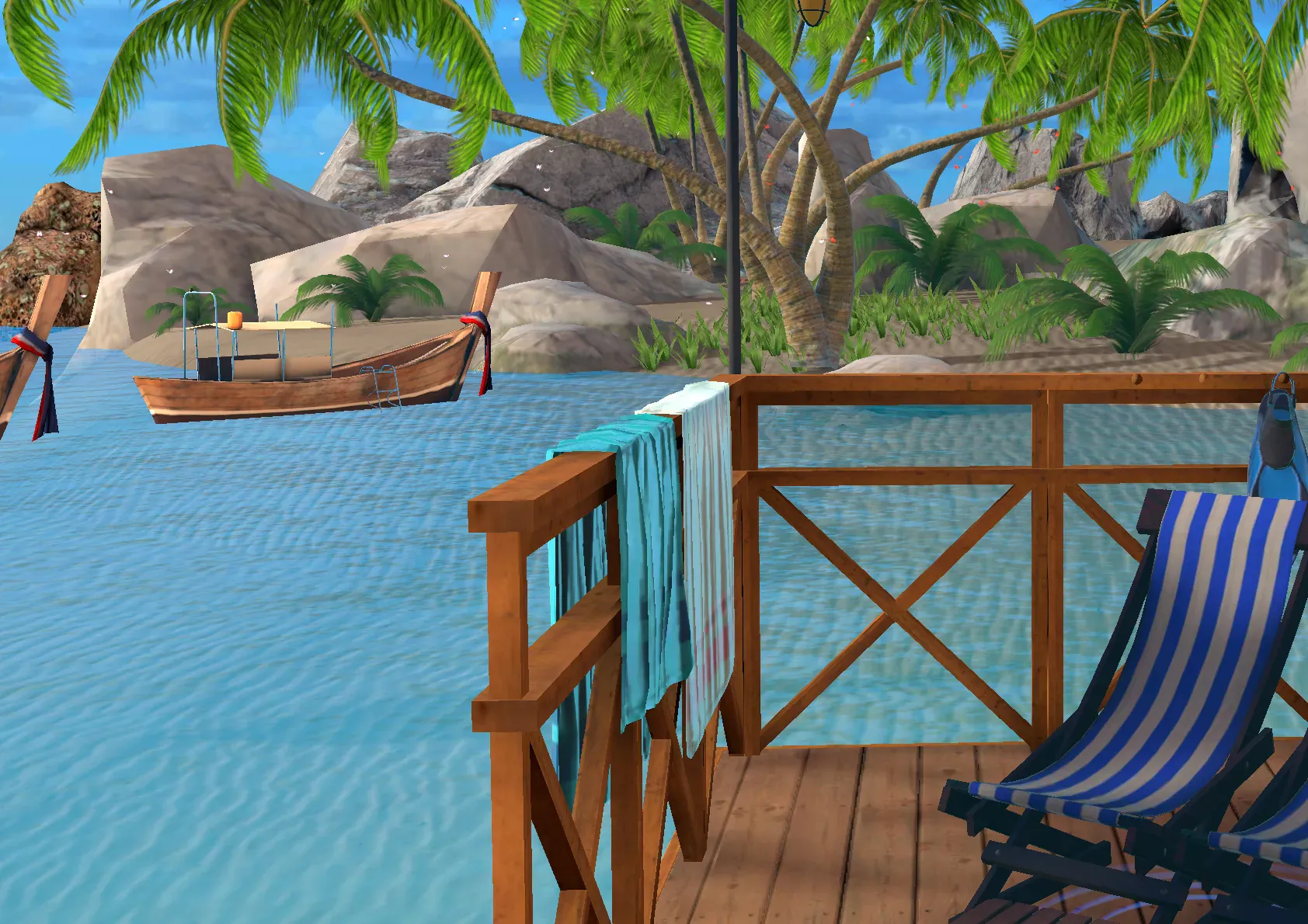
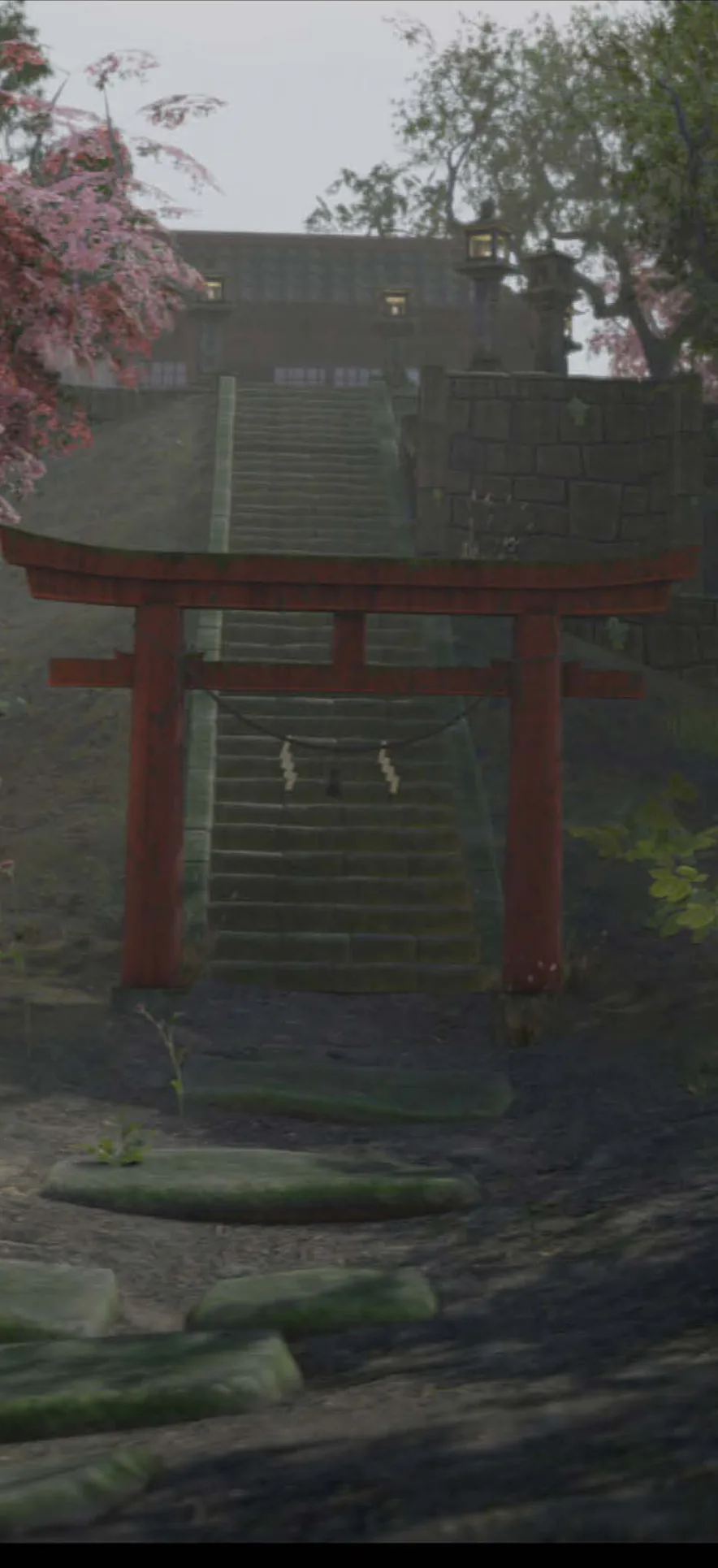
Patients choose a home world, Log Cabin, Crystal Bay Beach or Zen Garden, to suit their mood that day.
3D interface
A 3D interface that asks almost nothing
I prototyped the 3D UI and designed the 3D icons for all three home worlds in Vectary. Each panel floats in the scene with one short description and a single choice.
Final worlds
From storyboard to world
In each world, users can follow a guided box-breathing meditation or simply take in the place.

Guided by breath
Seated, still, and guided by breath

Breathing particles
Particles follow the breath through inhale, hold and exhale.

Voice and spatial sound
A recorded voice guide leads the meditation, with spatial sound tuned with the developers.
Outcome
Built for the first try, ready for the treatment plan
25%
increase in therapy module adoption
First try
Headset-ready and hands-free, used seated at home
Continued
Development went on beyond the first release
What I carry forward
Accessibility is the brief, not a feature added at the end.
The best interface asks nothing. Gaze and breath replaced menus and buttons.
Design for a moving target. Flexible stages let the concept grow without starting over.

Client work for Harvard MedTech, delivered at CXR Agency (Kinemeric) with a Creative Director, five 3D artists, 4–5 developers, a product manager, QA and a UI/UX team. This page shows my role and contributions.
MORE PROJECTS
All work